


Finding the right nutritional support can be a challenge for athletes aiming to reach their peak in the United Kingdom and Ireland. With so many supplements available, making informed choices matters for performance, recovery, and long-term health. This guide offers clear answers and trusted recommendations focused on premium supplements, helping you match products to your goals while avoiding common pitfalls.
Table of Contents
- What Are Supplements And Why Use Them?
- Major Supplement Types For Wellness Goals
- Benefits For Athletes And Fitness Enthusiasts
- Uk Regulations And Labelling Essentials
- Risks, Safe Use, And Common Mistakes
- Choosing The Right Supplement For You
Key Takeaways
| Point | Details |
|---|---|
| Supplements Complement Diet | Supplements should enhance dietary intake, not replace whole foods. Always focus on nutritional balance for optimal health. |
| Consult Professionals | Before starting any supplement regimen, consult healthcare professionals to tailor strategies to personal health needs. |
| Understand Labeling Regulations | In the UK, supplements must comply with strict labelling and safety standards, ensuring consumer protection and product transparency. |
| Consider Individual Needs | Supplement effectiveness varies by individual; assess personal health status and specific fitness goals for optimal results. |
What Are Supplements and Why Use Them?
Supplements are specialised nutritional products designed to complement an individual’s dietary intake, providing essential nutrients and supporting overall wellness. Dietary supplements represent a diverse range of products taken orally to enhance nutritional profiles and address specific health objectives.
These nutritional aids come in multiple formats, including:
- Tablets and capsules
- Powders and drink mixes
- Gummies and chewable formats
- Liquid concentrates
- Herbal extracts
Athletes and fitness enthusiasts typically use supplements to achieve specific performance and recovery goals. The primary motivations include:
- Addressing potential nutrient deficiencies
- Supporting muscle recovery
- Enhancing athletic performance
- Promoting faster post-workout healing
- Boosting metabolic functions
Supplement Categories typically encompass several key nutritional groups:
- Vitamins and minerals
- Amino acids
- Protein powders
- Herbal extracts
- Performance enhancers
Not all supplements provide equivalent benefits, and individual nutritional requirements vary significantly.
While supplements can offer targeted nutritional support, they should never completely replace a balanced, whole-food diet. Nutrition guidelines consistently emphasise consuming supplements as complementary to, not substitutional for, a comprehensive nutritional approach.
Pro tip: Always consult healthcare professionals before starting any new supplement regimen to ensure compatibility with your individual health profile and existing medical conditions.
Major Supplement Types for Wellness Goals
Supplement types represent specialised nutritional interventions designed to target specific wellness objectives. Comprehensive supplement research reveals multiple categories that address diverse health requirements, each serving unique physiological functions.
The primary supplement categories include:
- Vitamins: Essential micronutrients supporting metabolic processes
- Minerals: Crucial for cellular function and systemic health
- Amino Acids: Building blocks for protein synthesis and muscle recovery
- Herbal Extracts: Natural compounds offering targeted wellness benefits
- Probiotics: Microorganisms supporting digestive and immune system functionality
Performance-Focused Supplement Groups:
- Protein supplements
- Creatine formulations
- Branched-chain amino acids (BCAAs)
- Pre-workout blends
- Recovery enhancement supplements
Each supplement category offers distinct advantages. Nutritional supplement guidance emphasises that individual metabolic requirements significantly influence supplement effectiveness.
Here’s a concise comparison of major supplement types and their physiological focus:
| Supplement Type | Primary Function | Ideal For |
|---|---|---|
| Vitamins | Supports metabolic processes | General wellness |
| Minerals | Maintains cellular health | Dietary balance |
| Amino Acids | Promotes muscle repair | Athletes/fitness |
| Herbal Extracts | Delivers targeted benefits | Holistic approaches |
| Probiotics | Enhances gut health | Digestive support |
Not all supplements provide universal benefits, and personalised nutritional strategies remain paramount.
Athletes and fitness enthusiasts typically leverage supplements to address specific physiological demands, targeting areas such as muscle growth, energy production, recovery acceleration, and metabolic optimisation.

Pro tip: Conduct comprehensive blood testing to identify precise nutritional deficiencies before selecting supplement strategies, ensuring targeted and effective nutritional interventions.
Benefits for Athletes and Fitness Enthusiasts
Athletic performance supplements represent sophisticated nutritional strategies designed to enhance physical capabilities and support comprehensive wellness goals for athletes and fitness enthusiasts. These targeted interventions address multiple physiological dimensions, enabling more effective training and recovery processes.
Key performance and recovery benefits include:
- Muscle Protein Synthesis: Accelerating muscle repair and growth
- Energy Production: Improving metabolic efficiency
- Endurance Enhancement: Supporting extended physical performance
- Faster Recovery: Reducing muscle soreness and inflammation
- Metabolic Optimisation: Supporting overall nutritional balance
Primary Performance Supplement Categories:
- Protein powders
- Branched-chain amino acids (BCAAs)
- Creatine formulations
- Pre-workout energisers
- Post-workout recovery blends
Supplement effectiveness depends on individual physiology, training intensity, and precise nutritional requirements.
The strategic application of supplements allows athletes to target specific physiological outcomes. Nutritional guidance for athletes emphasises the importance of personalised supplement protocols that complement individual training regimens and metabolic profiles.

Athletes can leverage supplements to address nuanced performance challenges, ranging from muscle development and energy production to accelerated recovery and systemic resilience. Understanding individual metabolic responses remains crucial for maximising supplement effectiveness.
Pro tip: Consult sports nutrition specialists to develop a personalised supplement strategy precisely matched to your specific athletic goals and physiological requirements.
UK Regulations and Labelling Essentials
Food supplement regulations in the United Kingdom represent a comprehensive framework designed to protect consumer interests and ensure product safety across the nutritional supplement marketplace. These intricate guidelines govern every aspect of supplement production, marketing, and distribution, establishing strict standards for manufacturers and retailers.
Key regulatory requirements include:
- Mandatory product registration
- Precise ingredient disclosure
- Clear nutritional content labelling
- Recommended daily intake warnings
- Storage instruction specifications
Critical Labelling Components:
- Product classification as ‘food supplement’
- Exact ingredient quantities
- Recommended consumption levels
- Potential allergen information
- Manufacturer contact details
UK supplement regulations prioritise consumer protection through rigorous transparency and safety standards.
Government supplement guidance emphasises that businesses must provide comprehensive, truthful information about their nutritional products. This includes detailed declarations about active substances, potential health impacts, and precise consumption recommendations.
The regulatory landscape ensures that supplement manufacturers maintain high standards of quality, safety, and consumer communication. Local authorities actively enforce these regulations, conducting inspections and investigations to guarantee compliance.
Below is a summary of essential UK supplement labelling requirements for consumers:
| Regulatory Aspect | Importance | Consumer Benefit |
|---|---|---|
| Ingredient disclosure | Ensures product transparency | Informed choices |
| Recommended intake warning | Helps prevent overdosing | Safety assurance |
| Allergen information | Protects at-risk individuals | Health safeguarding |
| Manufacturer details | Enables traceability | Accountability |
Pro tip: Always verify a supplement’s regulatory compliance by checking for clear labelling, ingredient transparency, and official registration markings before purchase.
Risks, Safe Use, and Common Mistakes
Dietary supplement safety represents a complex landscape where consumer awareness and professional guidance are paramount. Understanding potential risks and implementing strategic precautions can significantly mitigate potential health complications associated with supplement consumption.
Common Supplement Misuse Risks:
- Exceeding recommended daily dosages
- Interactions with prescribed medications
- Purchasing from unverified sources
- Neglecting pre-existing health conditions
- Self-diagnosing without professional consultation
Critical Safety Considerations:
- Always consult healthcare professionals
- Disclose all current medications
- Purchase from reputable suppliers
- Follow recommended intake guidelines
- Monitor potential side effects
Individual metabolic responses to supplements vary significantly, making personalised medical advice essential.
Supplement usage guidelines emphasise the importance of understanding potential interactions and individual health contexts. Supplements are not universal solutions and can pose substantial risks when used inappropriately.
Vulnerable populations such as pregnant women, children, and individuals with chronic health conditions face heightened risks. Comprehensive medical consultation and thorough product research remain critical before initiating any supplement regimen.
Pro tip: Maintain a detailed supplement and medication log, documenting dosages, timing, and any observed reactions to facilitate informed discussions with healthcare professionals.
Choosing the Right Supplement for You
Supplement selection strategies demand a comprehensive, personalised approach that considers individual health requirements, fitness objectives, and potential physiological interactions. Understanding your unique nutritional landscape forms the foundation of intelligent supplementation.
Key considerations for supplement selection include:
- Current health status
- Specific fitness goals
- Existing medical conditions
- Age and metabolic profile
- Potential medication interactions
Personalised Supplement Selection Framework:
- Conduct comprehensive health assessment
- Identify specific nutritional gaps
- Consult healthcare professionals
- Research scientific evidence
- Consider individual metabolic responses
Not all supplements are universally beneficial, and individual responses vary significantly.
Nutritional supplement guidance emphasises that supplements should complement, not replace, a balanced dietary approach. Careful evaluation of product quality, third-party certifications, and potential interactions remains crucial.
Beyond basic nutritional considerations, athletes and fitness enthusiasts must evaluate supplements through the lens of performance enhancement, recovery potential, and potential physiological compatibility. This requires a nuanced understanding of individual metabolic requirements and evidence-based supplementation strategies.
Pro tip: Maintain a detailed health journal tracking supplement intake, physical responses, and performance metrics to develop a personalised, data-driven supplementation approach.
Unlock Your Peak Performance and Recovery Potential with Elevate Supplements
The article highlights common challenges like achieving efficient muscle recovery and optimising performance through targeted supplementation. If you seek to address nutrient gaps, accelerate healing after workouts, or boost endurance, understanding the right supplements is essential. Elevate Supplements specialises in delivering premium products such as protein powders, amino acids, and performance enhancers tailored specifically for athletes and fitness enthusiasts aiming to elevate their wellness journey.
Explore our wide selection of trusted formulations designed to support muscle protein synthesis, improve energy production, and enhance metabolic optimisation. Benefit from fast UK delivery and excellent customer service to receive your supplements without delay. HOME PAGE – ElevateSupplements / Elevate Your Supplements offers you a curated range built on scientific evidence and quality assurance.
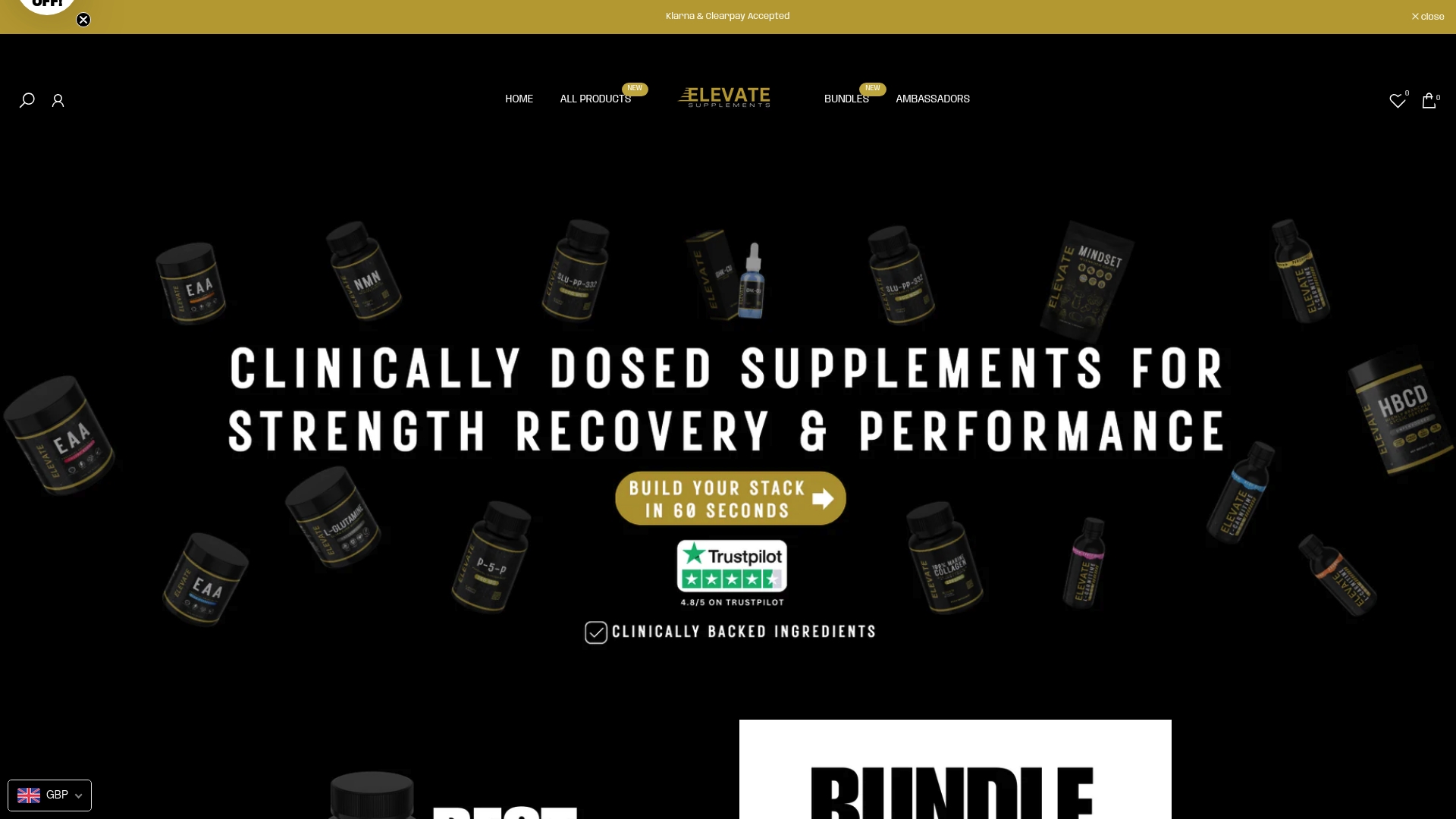
Experience the difference that personalised supplementation can make in your training results and recovery speed. Visit ALL ELEVATE PRODUCTS – ElevateSupplements / Elevate Your Supplements to find the best suited products for your unique needs. Start your informed supplement journey today at https://elevatesupplementsstore.com and elevate your performance to new heights.
Frequently Asked Questions
What are dietary supplements and why should I consider using them?
Dietary supplements are specialised products designed to complement your diet by providing essential nutrients. They can help address specific health objectives, support overall wellness, and enhance nutritional profiles, particularly for athletes and fitness enthusiasts.
What are the main types of supplements that can aid performance and recovery?
Key types of supplements include vitamins, minerals, amino acids, protein powders, herbal extracts, and performance enhancers. Each type targets specific physiological functions to support training, recovery, and overall health.
How do I choose the right supplement for my specific health and fitness goals?
Choosing the right supplement involves assessing your current health status, identifying nutritional gaps, consulting healthcare professionals, and considering your age, fitness objectives, and potential medication interactions. Personalised selection is crucial.
Are there any risks associated with taking dietary supplements?
Yes, potential risks include exceeding recommended dosages, interactions with medications, and pursuing self-diagnosis without professional guidance. It is essential to consult healthcare professionals before starting any new supplement regimen.


